


[馬斯克] 馬斯克重磅發布:改革美國政府計劃
我們的國家建立在壹個基本理念之上:由選民選舉產生的人來治理政府。然而,當今的美國並非如此!
如今,大部分法律不是由國會通過,而是由那些沒有經過選舉的官僚通過“規則和條例”制定出來的。每年,這些規則和條例的數量以成千上萬計增長。
更誇張的是,大部分政府的執行決策和開銷安排,也不是由民選的總統,甚至他的高層任命官員決定的,而是由數百萬沒選過、沒任命過的公務員拍板。他們仗著公務員制度的保護,覺得自己根本不可能被解雇。
這種現狀不僅背離了民主原則,還完全違背了建國者的初衷。同時,它還讓納稅人付出了巨大的代價。不過,好消息是,現在我們終於迎來了改變這壹切的機會。11 月 5 日,選民們明確支持川普總統,並授權他進行大刀闊斧的改革。
政府效率辦公室:幹實事的團隊
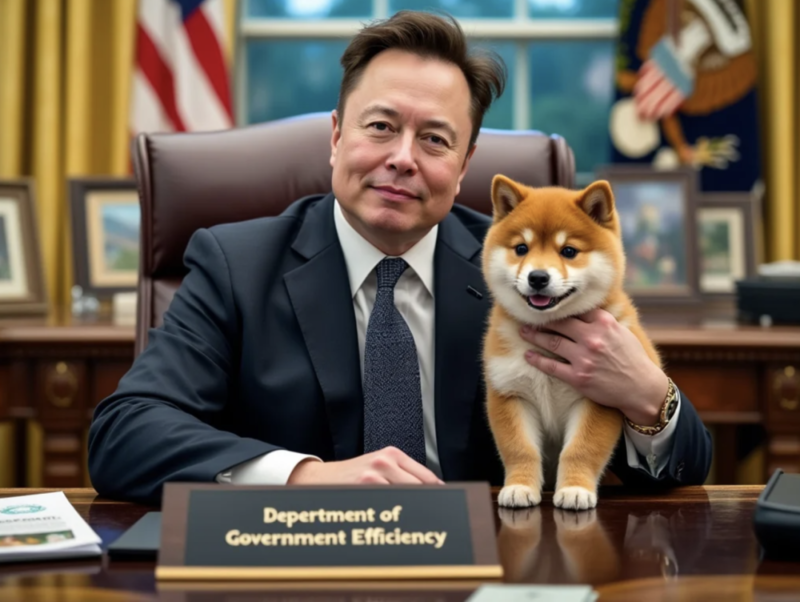
為了解決問題,川普總統任命我們成立“政府效率部”(簡稱 DOGE,也叫政府效率辦公室)。我們的目標很明確:精簡聯邦政府。
過去,龐大的官僚體系成了美國的絆腳石,而很多政客都選擇袖手旁觀。膨脹的官僚機構對美國社會構成了生存威脅,長期以來,政客們對此聽之任之。
但我們不壹樣,我們不是政客,而是企業家。我們的團隊也不是來走過場的——不是寫寫報告、剪剪彩,而是要實打實地削減成本,解決問題。
我們正在協助川普的過渡團隊,組建壹個精簡的小型政府改革團隊,挑選全國最頂尖的技術和法律人才。這個團隊將與新政府中的白宮管理和預算辦公室密切合作。我們兩人將為政府效率辦公室的每壹步提供建議,以落實叁個廣泛的改革類別:監管、行政縮減和成本節約。
改革的法律依據
我們將特別強調通過現有法律授權的行政行動推動改革,而非通過制定新法案。
我們的改革將以《美國憲法》為指引,重點關注他任期內的兩項重要最高法院判決:
1.西弗吉尼亞州訴環境保護署案(2022)
明確規定,政府機構在沒有國會授權的情況下,不能頒布重大經濟或政策法規。
2.Loper Bright 訴 Raimondo 案(2024)
廢除了“切夫倫原則”,聯邦法院不應過度尊重政府機構對法律的解釋。
這兩項裁定表明,現存的大量聯邦法規超越了國會賦予的權力。
接下來,我們的任務就是根據這些裁定,與各機構的法律專家壹起清理法規,用技術手段列出需要廢除的法規清單,並提交給總統,由他通過行政命令暫停和廢除它們。這不僅恢復了憲法秩序,還能讓企業和個人擺脫不必要的束縛,為經濟注入新活力,刺激美國經濟。
削減法規,裁員合理化
廢除法規自然意味著裁員。我們將和各機構合作,確定它們維持正常運轉的最小員工需求,按比例裁減那些因為法規減少而變得多余的崗位。對於被裁掉的聯邦雇員,我們會提供尊重的待遇,包括提前退休計劃或自願離職補償金,幫助他們順利轉到私營部門,以促成他們有尊嚴的離開。
此外,川普總統將利用現有法律賦予的“競爭性服務規則”權限,推出壹系列改革措施,比如將機構搬離華盛頓,要求雇員恢復線下辦公。如果聯邦雇員不願工作,美國納稅人不應該在後疫情時代,支付他們在家辦公的特權。
削減成本與提高效率
有人可能會質疑,單靠行政手段能省下多少錢?其實,聯邦政府浪費的問題比很多人想象的嚴重,政府效率辦公室致力於解決聯邦過度開支問題,計劃鎖定超過5000億美元未經國會授權或被濫用的聯邦支出。而解決它並不需要動福利項目,只需要從以下幾個方面入手:
1.清理濫用資金:比如每年 5.35 億美元的公共廣播撥款、15 億美元的國際組織補助,甚至幾億資助某些進步組織的資金。
優化采購流程:很多聯邦合同年年花錢卻不審查,尤其是伍角大樓,連續第柒年審計失敗,讓人連它的 8000 多億年度預算用到哪都搞不清。
盡管批評者認為,削減Medicare和Medicaid等福利項目是有效減少聯邦赤字的關鍵,但這忽略了浪費、欺詐和濫用問題——幾乎所有納稅人都希望優先解決這些問題。
政府效率辦公室將通過精准的行政措施,直面這些挑戰,幫助納稅人立即節省資金。
目標明確:2026 年大限
憑借明確的選舉授權和最高法院6:3的保守派多數,政府效率辦公室迎來了壹個前所未有的歷史契機,得以推動聯邦政府的結構性精簡。我們已做好准備,應對華盛頓根深蒂固的既得利益集團的挑戰,並充滿信心地邁向勝利。現在是采取果斷行動的關鍵時刻。
我們的核心目標是,在2026年7月4日之前——這壹目標日期也是我們為該項目設定的最終期限——徹底取消政府效率辦公室的存在必要性。
屆時,正值我們國家建國250周年,這將是送給建國先賢最令人驕傲的禮物:壹個更加高效、簡潔、符合建國理想的聯邦政府。這將是給美國最好的生日禮物!
英文版全文
Our country is built on the basic idea that the people we elect to run the government are the ones we edict. But that's not the case in America today. Most of the provisions of the law are not laws enacted by Congress, but "rules and regulations" enacted by unelected bureaucrats... there are tens of thousands of rules and regulation every year. Most of the government's law enforcement decisions and discretionary spending are made not by the elected president or even his politically appointed officials, but by the millions of unelected, unappointed civil servants in government agencies who believe they will not be fired because of the protections of the civil service.
This approach is anti-democratic and runs counter to the vision of the Founding Fathers. It imposes significant direct and indirect costs on taxpayers. Thankfully, we have a historic opportunity to address this. On November 5, voters decisively elected Trump and authorized him to make sweeping changes that they (taxpayers) deserve.
President Trump asked the two of us to lead the new Department of Government Efficiency.Of Government Efficiency, DOGE- Also known as the Office of Government Efficiency) to reduce the size of the federal government. The entrenched, ballooning bureaucracy poses an existential threat to our republic, and politicians have tolerated it for a long time. That's why we're taking a different approach. We're entrepreneurs, not politicians. We are outside volunteers, not federal officials or employees. Unlike government committees or advisory committees, we don't just write reports or cut ribbons. We're going to cut costs.
We are assisting the Trump transition team in identifying and hiring a lean team of small government reform fighters, including some of the nation's brightest technical and legal talent. The team will work closely with the White House Office of Management and Budget in the new administration. The two of us will advise the Office of Government Efficiency at every step to implement three broad categories of reform: deregulation, administrative reduction, and cost savings. We will place particular emphasis on promoting reform through executive action based on existing legislation rather than through the enactment of new laws. The polar star of our reform will be the Constitution of the United States, focusing on two important Supreme Court decisions during his tenure.
In West Virginia v. Environmental Protection Agency (2022), the justices held that agencies cannot enforce regulations that involve significant economic or policy issues unless Congress expressly authorizes them. In Loper Bright v. Raimondo (2024), the Court overturned the Chevron principle, holding that federal courts should no longer defer to federal agencies' interpretation of the law or to their own rulemaking. Together, these cases demonstrate that a large number of existing federal regulations go beyond the authority given by Congress by law.
The Office of Government Efficiency will work with legal experts in government agencies to apply these rulings to federal regulations created by those agencies, with the help of advanced technology. The Office of Government Efficiency will present the list of regulations to President Donald Trump, who can immediately suspend their implementation through executive action and initiate a review and repeal process. This would free individuals and businesses from illegal regulations that Congress never passed, and stimulate the American economy.
When the president nullifies thousands of such regulations, critics accuse the executive of overstepping his authority. In fact, this is correcting executive overreach, i.e. the thousands of regulations enacted through executive orders that were never authorized by Congress. The president should obey Congress when legislating, not bureaucrats within federal agencies. Using executive orders to add cumbersome new rules to replace legislation is a violation of the Constitution, but using executive order to repeal statutes that wrongly circumvent Congress is legal and necessary to comply with the Supreme Court's recent authorization. And, after these regulations have been fully repealed, future presidents cannot simply press the switch to restore them, but will have to ask Congress to do so.
The drastic cuts in federal regulations provide a reasonable industry logic for mass layoffs across the federal bureaucracy. The Office of Government Efficiency intends to work with agencies' in-house appointees to determine the minimum number of employees required for an agency to perform constitutionally permitted and statutory functions. The number of federal employees cut should be at least proportional to the number of federal statutes repealed: Not only will fewer employees be needed to enforce fewer statutes, but the agency will create fewer of them once its scope of authority is properly limited. Employees whose jobs have been eliminated deserve to be treated with respect, and the Government Efficiency Office aims to help them transition into the private sector. The president could use existing laws to encourage them to retire early and pay voluntary severance payments to facilitate their dignified departure.
Conventional wisdom holds that statutory civil service protections prevent the president and even his political appointees from firing federal workers. The purpose of these protections is to protect employees from political retaliation. But the regulations allow for "laying off" that does not target specific employees. The statute further authorizes the president to "develop rules governing competitive services." This power is very broad. Previous presidents have used this power to amend civil service rules by executive order, and the Supreme Court ruled in Franklin v. Massachusetts (1992) and Collins v. Yellen (2021) that they were not subject to the Administrative Procedure Act when they did so. With this authority, President Trump could curb the excesses of the executive branch by implementing a variety of "rules governing competitive services," from mass firings to relocating federal agencies out of the Washington area. Requiring federal employees to work in the office five days a week will lead to a wave of voluntary departures, which we welcome: if federal employees don't want to work, American taxpayers shouldn't pay them the privilege of staying home in the age of the coronavirus.Finally, we are committed to cost savings for the taxpayer. Skeptics question how much federal spending the Office of Government Efficiency can control with administrative means alone. They point out that the Appropriations Control Act of 1974 prevents the president from halting spending authorized by Congress. President Trump has previously said the bill is unconstitutional, and we believe the current Supreme Court is likely to uphold his view on this issue. But even without relying on this view, the Office of Government Efficiency will help end federal overspending by targeting more than $500 billion a year in federal spending that Congress did not authorize or used in ways that Congress never intended. From $535. million a year for public broadcasters and $1.5 billion in grants to international organizations, to nearly $300 million for progressive groups such as family planning.
The federal government's procurement process is also deeply flawed. Many federal contracts have gone unreviewed for years. Large-scale audits during the suspension of payments could result in significant financial savings. The Pentagon recently failed an audit for the seventh time in a row, suggesting that the agency's leadership knows almost nothing about how its more than $800 billion annual budget is spent. Critics claim that we can't effectively and meaningfully close the federal deficit without targeting entitlement programs like Medicare and Medicaid that Congress needs to shrink. However, this diverts attention from waste, fraud and abuse, which almost all taxpayers want to end, and the Office of Government Efficiency aims to save taxpayers immediately by identifying precise administrative measures to address them.
With a decisive electoral mandate and the Supreme Court's 6: 3 conservative majority, the Office of Government Efficiency has a historic opportunity to make structural cuts to the federal government. We are ready to deal with a shock from entrenched interests in Washington. We look forward to winning. Now is the time for decisive action.
Our primary goal for the Office of Government Efficiency is to eliminate the need for its existence by July 4, 2026... the deadline we set for the project. On the 250th anniversary of our founding, there is no better birthday present than building a federal government that our founding fathers are proud of.
[加西網正招聘多名全職sales 待遇優]
這條新聞還沒有人評論喔,等著您的高見呢
如今,大部分法律不是由國會通過,而是由那些沒有經過選舉的官僚通過“規則和條例”制定出來的。每年,這些規則和條例的數量以成千上萬計增長。
更誇張的是,大部分政府的執行決策和開銷安排,也不是由民選的總統,甚至他的高層任命官員決定的,而是由數百萬沒選過、沒任命過的公務員拍板。他們仗著公務員制度的保護,覺得自己根本不可能被解雇。
這種現狀不僅背離了民主原則,還完全違背了建國者的初衷。同時,它還讓納稅人付出了巨大的代價。不過,好消息是,現在我們終於迎來了改變這壹切的機會。11 月 5 日,選民們明確支持川普總統,並授權他進行大刀闊斧的改革。
政府效率辦公室:幹實事的團隊
為了解決問題,川普總統任命我們成立“政府效率部”(簡稱 DOGE,也叫政府效率辦公室)。我們的目標很明確:精簡聯邦政府。
過去,龐大的官僚體系成了美國的絆腳石,而很多政客都選擇袖手旁觀。膨脹的官僚機構對美國社會構成了生存威脅,長期以來,政客們對此聽之任之。
但我們不壹樣,我們不是政客,而是企業家。我們的團隊也不是來走過場的——不是寫寫報告、剪剪彩,而是要實打實地削減成本,解決問題。
我們正在協助川普的過渡團隊,組建壹個精簡的小型政府改革團隊,挑選全國最頂尖的技術和法律人才。這個團隊將與新政府中的白宮管理和預算辦公室密切合作。我們兩人將為政府效率辦公室的每壹步提供建議,以落實叁個廣泛的改革類別:監管、行政縮減和成本節約。
改革的法律依據
我們將特別強調通過現有法律授權的行政行動推動改革,而非通過制定新法案。
我們的改革將以《美國憲法》為指引,重點關注他任期內的兩項重要最高法院判決:
1.西弗吉尼亞州訴環境保護署案(2022)
明確規定,政府機構在沒有國會授權的情況下,不能頒布重大經濟或政策法規。
2.Loper Bright 訴 Raimondo 案(2024)
廢除了“切夫倫原則”,聯邦法院不應過度尊重政府機構對法律的解釋。
這兩項裁定表明,現存的大量聯邦法規超越了國會賦予的權力。
接下來,我們的任務就是根據這些裁定,與各機構的法律專家壹起清理法規,用技術手段列出需要廢除的法規清單,並提交給總統,由他通過行政命令暫停和廢除它們。這不僅恢復了憲法秩序,還能讓企業和個人擺脫不必要的束縛,為經濟注入新活力,刺激美國經濟。
削減法規,裁員合理化
廢除法規自然意味著裁員。我們將和各機構合作,確定它們維持正常運轉的最小員工需求,按比例裁減那些因為法規減少而變得多余的崗位。對於被裁掉的聯邦雇員,我們會提供尊重的待遇,包括提前退休計劃或自願離職補償金,幫助他們順利轉到私營部門,以促成他們有尊嚴的離開。
此外,川普總統將利用現有法律賦予的“競爭性服務規則”權限,推出壹系列改革措施,比如將機構搬離華盛頓,要求雇員恢復線下辦公。如果聯邦雇員不願工作,美國納稅人不應該在後疫情時代,支付他們在家辦公的特權。
削減成本與提高效率
有人可能會質疑,單靠行政手段能省下多少錢?其實,聯邦政府浪費的問題比很多人想象的嚴重,政府效率辦公室致力於解決聯邦過度開支問題,計劃鎖定超過5000億美元未經國會授權或被濫用的聯邦支出。而解決它並不需要動福利項目,只需要從以下幾個方面入手:
1.清理濫用資金:比如每年 5.35 億美元的公共廣播撥款、15 億美元的國際組織補助,甚至幾億資助某些進步組織的資金。
優化采購流程:很多聯邦合同年年花錢卻不審查,尤其是伍角大樓,連續第柒年審計失敗,讓人連它的 8000 多億年度預算用到哪都搞不清。
盡管批評者認為,削減Medicare和Medicaid等福利項目是有效減少聯邦赤字的關鍵,但這忽略了浪費、欺詐和濫用問題——幾乎所有納稅人都希望優先解決這些問題。
政府效率辦公室將通過精准的行政措施,直面這些挑戰,幫助納稅人立即節省資金。
目標明確:2026 年大限
憑借明確的選舉授權和最高法院6:3的保守派多數,政府效率辦公室迎來了壹個前所未有的歷史契機,得以推動聯邦政府的結構性精簡。我們已做好准備,應對華盛頓根深蒂固的既得利益集團的挑戰,並充滿信心地邁向勝利。現在是采取果斷行動的關鍵時刻。
我們的核心目標是,在2026年7月4日之前——這壹目標日期也是我們為該項目設定的最終期限——徹底取消政府效率辦公室的存在必要性。
屆時,正值我們國家建國250周年,這將是送給建國先賢最令人驕傲的禮物:壹個更加高效、簡潔、符合建國理想的聯邦政府。這將是給美國最好的生日禮物!
英文版全文
Our country is built on the basic idea that the people we elect to run the government are the ones we edict. But that's not the case in America today. Most of the provisions of the law are not laws enacted by Congress, but "rules and regulations" enacted by unelected bureaucrats... there are tens of thousands of rules and regulation every year. Most of the government's law enforcement decisions and discretionary spending are made not by the elected president or even his politically appointed officials, but by the millions of unelected, unappointed civil servants in government agencies who believe they will not be fired because of the protections of the civil service.
This approach is anti-democratic and runs counter to the vision of the Founding Fathers. It imposes significant direct and indirect costs on taxpayers. Thankfully, we have a historic opportunity to address this. On November 5, voters decisively elected Trump and authorized him to make sweeping changes that they (taxpayers) deserve.
President Trump asked the two of us to lead the new Department of Government Efficiency.Of Government Efficiency, DOGE- Also known as the Office of Government Efficiency) to reduce the size of the federal government. The entrenched, ballooning bureaucracy poses an existential threat to our republic, and politicians have tolerated it for a long time. That's why we're taking a different approach. We're entrepreneurs, not politicians. We are outside volunteers, not federal officials or employees. Unlike government committees or advisory committees, we don't just write reports or cut ribbons. We're going to cut costs.
We are assisting the Trump transition team in identifying and hiring a lean team of small government reform fighters, including some of the nation's brightest technical and legal talent. The team will work closely with the White House Office of Management and Budget in the new administration. The two of us will advise the Office of Government Efficiency at every step to implement three broad categories of reform: deregulation, administrative reduction, and cost savings. We will place particular emphasis on promoting reform through executive action based on existing legislation rather than through the enactment of new laws. The polar star of our reform will be the Constitution of the United States, focusing on two important Supreme Court decisions during his tenure.
In West Virginia v. Environmental Protection Agency (2022), the justices held that agencies cannot enforce regulations that involve significant economic or policy issues unless Congress expressly authorizes them. In Loper Bright v. Raimondo (2024), the Court overturned the Chevron principle, holding that federal courts should no longer defer to federal agencies' interpretation of the law or to their own rulemaking. Together, these cases demonstrate that a large number of existing federal regulations go beyond the authority given by Congress by law.
The Office of Government Efficiency will work with legal experts in government agencies to apply these rulings to federal regulations created by those agencies, with the help of advanced technology. The Office of Government Efficiency will present the list of regulations to President Donald Trump, who can immediately suspend their implementation through executive action and initiate a review and repeal process. This would free individuals and businesses from illegal regulations that Congress never passed, and stimulate the American economy.
When the president nullifies thousands of such regulations, critics accuse the executive of overstepping his authority. In fact, this is correcting executive overreach, i.e. the thousands of regulations enacted through executive orders that were never authorized by Congress. The president should obey Congress when legislating, not bureaucrats within federal agencies. Using executive orders to add cumbersome new rules to replace legislation is a violation of the Constitution, but using executive order to repeal statutes that wrongly circumvent Congress is legal and necessary to comply with the Supreme Court's recent authorization. And, after these regulations have been fully repealed, future presidents cannot simply press the switch to restore them, but will have to ask Congress to do so.
The drastic cuts in federal regulations provide a reasonable industry logic for mass layoffs across the federal bureaucracy. The Office of Government Efficiency intends to work with agencies' in-house appointees to determine the minimum number of employees required for an agency to perform constitutionally permitted and statutory functions. The number of federal employees cut should be at least proportional to the number of federal statutes repealed: Not only will fewer employees be needed to enforce fewer statutes, but the agency will create fewer of them once its scope of authority is properly limited. Employees whose jobs have been eliminated deserve to be treated with respect, and the Government Efficiency Office aims to help them transition into the private sector. The president could use existing laws to encourage them to retire early and pay voluntary severance payments to facilitate their dignified departure.
Conventional wisdom holds that statutory civil service protections prevent the president and even his political appointees from firing federal workers. The purpose of these protections is to protect employees from political retaliation. But the regulations allow for "laying off" that does not target specific employees. The statute further authorizes the president to "develop rules governing competitive services." This power is very broad. Previous presidents have used this power to amend civil service rules by executive order, and the Supreme Court ruled in Franklin v. Massachusetts (1992) and Collins v. Yellen (2021) that they were not subject to the Administrative Procedure Act when they did so. With this authority, President Trump could curb the excesses of the executive branch by implementing a variety of "rules governing competitive services," from mass firings to relocating federal agencies out of the Washington area. Requiring federal employees to work in the office five days a week will lead to a wave of voluntary departures, which we welcome: if federal employees don't want to work, American taxpayers shouldn't pay them the privilege of staying home in the age of the coronavirus.Finally, we are committed to cost savings for the taxpayer. Skeptics question how much federal spending the Office of Government Efficiency can control with administrative means alone. They point out that the Appropriations Control Act of 1974 prevents the president from halting spending authorized by Congress. President Trump has previously said the bill is unconstitutional, and we believe the current Supreme Court is likely to uphold his view on this issue. But even without relying on this view, the Office of Government Efficiency will help end federal overspending by targeting more than $500 billion a year in federal spending that Congress did not authorize or used in ways that Congress never intended. From $535. million a year for public broadcasters and $1.5 billion in grants to international organizations, to nearly $300 million for progressive groups such as family planning.
The federal government's procurement process is also deeply flawed. Many federal contracts have gone unreviewed for years. Large-scale audits during the suspension of payments could result in significant financial savings. The Pentagon recently failed an audit for the seventh time in a row, suggesting that the agency's leadership knows almost nothing about how its more than $800 billion annual budget is spent. Critics claim that we can't effectively and meaningfully close the federal deficit without targeting entitlement programs like Medicare and Medicaid that Congress needs to shrink. However, this diverts attention from waste, fraud and abuse, which almost all taxpayers want to end, and the Office of Government Efficiency aims to save taxpayers immediately by identifying precise administrative measures to address them.
With a decisive electoral mandate and the Supreme Court's 6: 3 conservative majority, the Office of Government Efficiency has a historic opportunity to make structural cuts to the federal government. We are ready to deal with a shock from entrenched interests in Washington. We look forward to winning. Now is the time for decisive action.
Our primary goal for the Office of Government Efficiency is to eliminate the need for its existence by July 4, 2026... the deadline we set for the project. On the 250th anniversary of our founding, there is no better birthday present than building a federal government that our founding fathers are proud of.
[加西網正招聘多名全職sales 待遇優]
| 分享: |
| 注: |
| 延伸閱讀 | 更多... |
推薦: